
Underwater Operations: What they are and how they are applied in different sectors
Underwater operations encompass all activities carried out underwater for technical, industrial, or research purposes. They are essential in areas such as marine engineering, scientific exploration, and the maintenance of submerged infrastructure.
What are underwater operations?
They are defined as the set of tasks performed by specialized divers, robotic equipment, or automated systems underwater. They include inspections, repairs, construction, and rescue in marine, river, or lake environments.
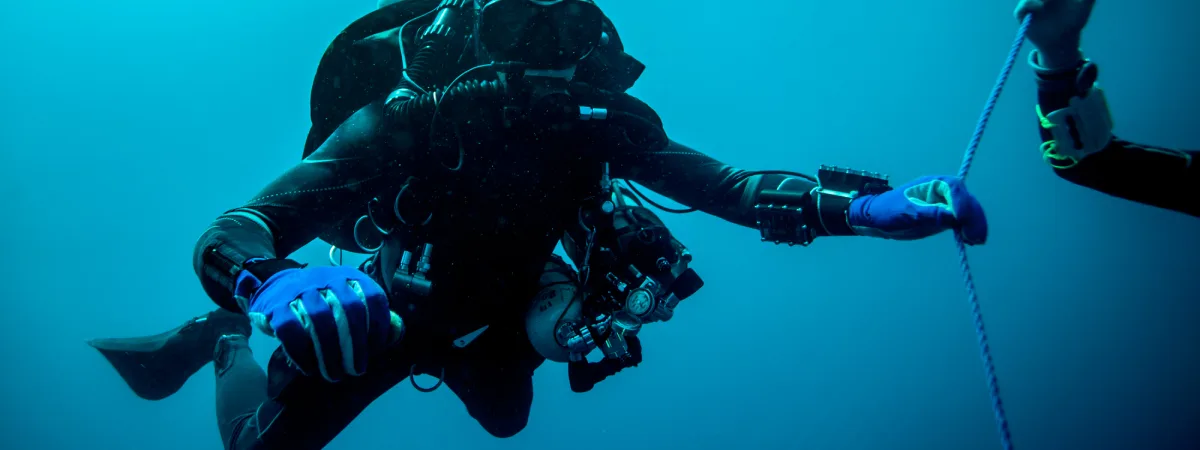
Main types of underwater operations
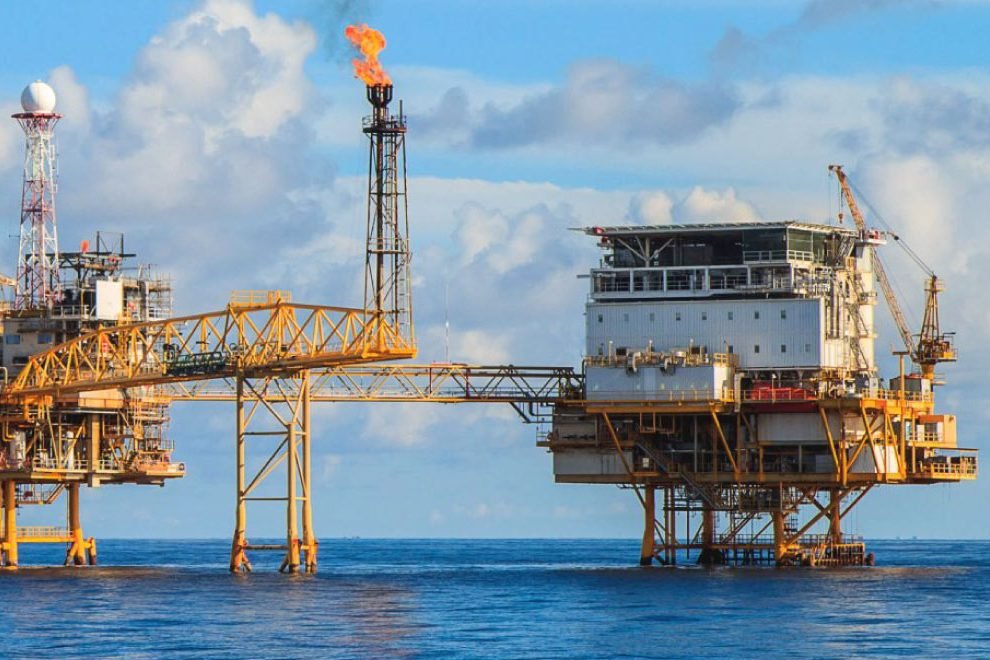
Inspection and maintenance of structures: docks, oil platforms, ships and dams.
Underwater construction: installation of pipes, cables and foundations.
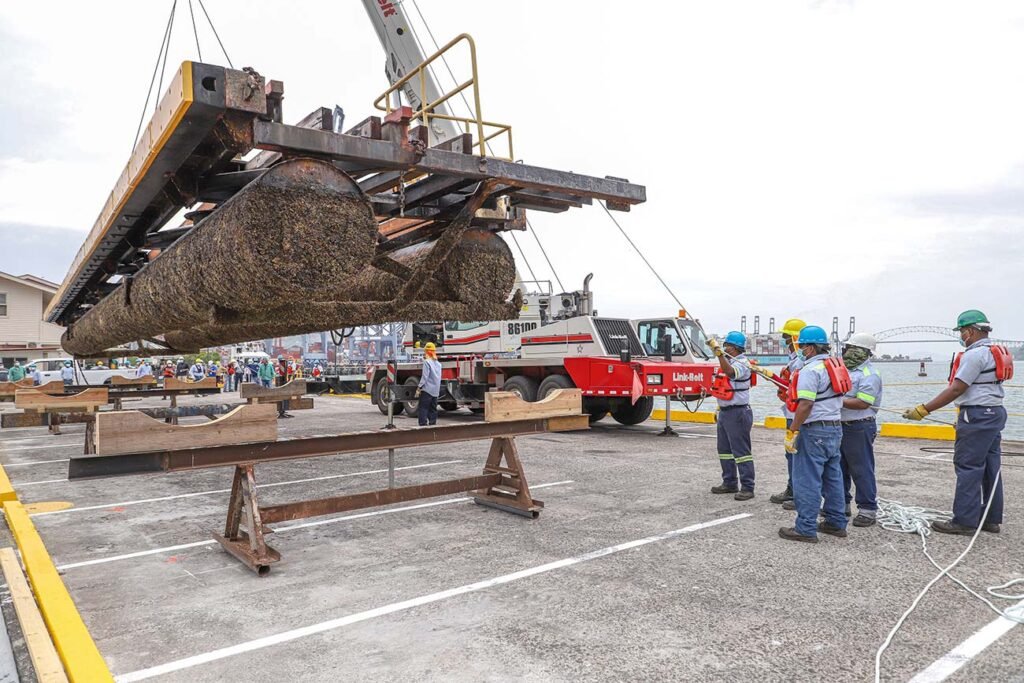
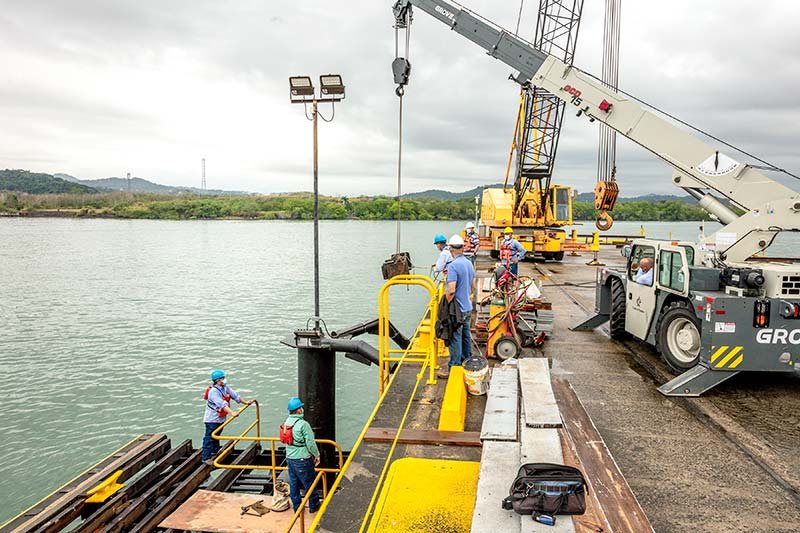
Salvage and rescue: recovery of sunken vessels or valuable materials.
Military and security operations: exploration of strategic areas, detection of objects and tactical missions.
Scientific research: studies of marine biodiversity, underwater archaeology and environmental monitoring.
Applications in modern industry
Underwater operations are vital in sectors such as:
Energy: Installation and maintenance of offshore oil and wind platforms.
Infrastructure: construction of submerged tunnels and ports.
Defense and security: strategic exploration and control of maritime areas.
Environmental sciences: monitoring the impact of climate on oceans and rivers.
Conclusion
Underwater operations are not only a technical discipline, but also a key tool for industrial, scientific, and environmental progress. With the advancement of robotics and artificial intelligence, their scope will become increasingly broader and more efficient.
Article 2: Underwater Operations: Challenges, Technologies and the Future of Marine Exploration