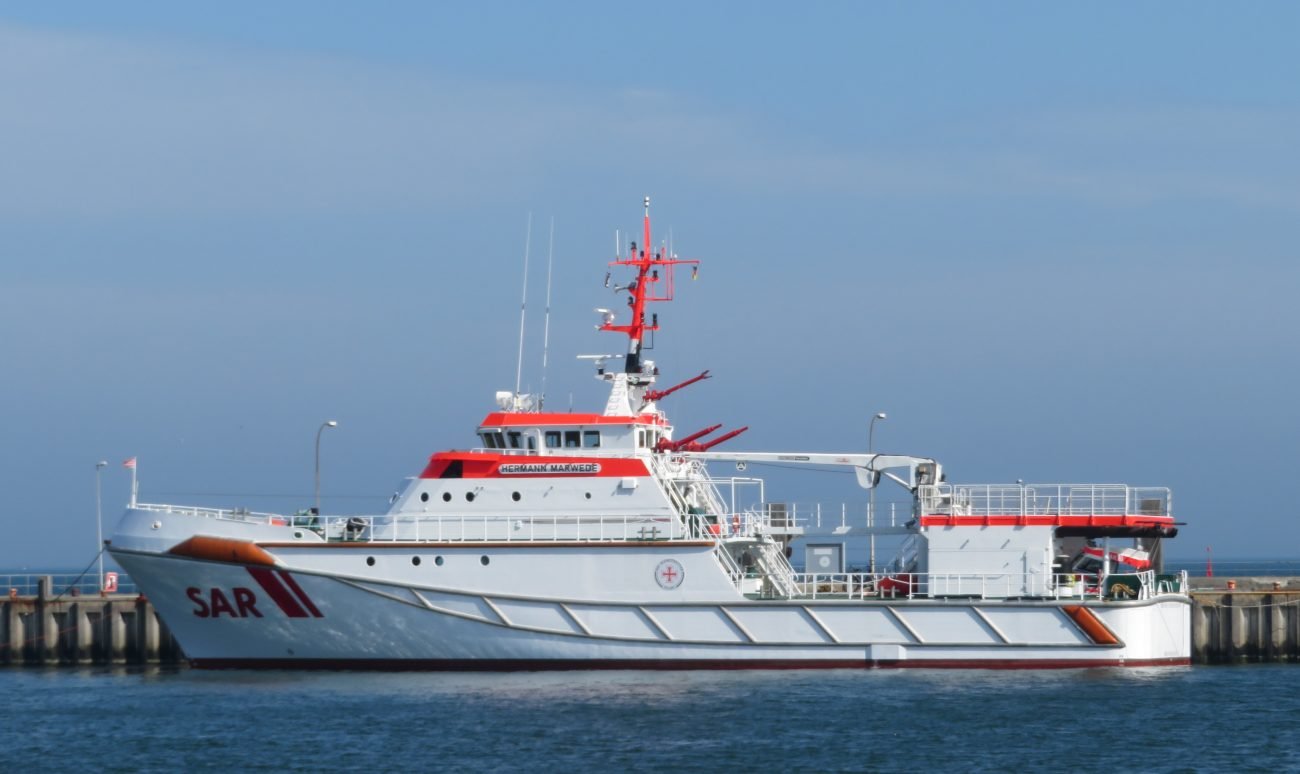
The operations of salvamento marítimo are one of the most complex challenges in ocean engineering. These interventions require multidisciplinary knowledge in hydrodynamics, naval stability, hazardous cargo handling, and environmental contingency response. In addition, each operation must be carried out under marine conditions that are often adverse. For this reason, human safety, environmental protection, and asset recovery are constant priorities.
Currently, intervention protocols are designed under the premise that each situation is unique. This means that there is no standard procedure that works for all cases. Therefore, specific solutions are developed based on rigorous technical analyses and computer simulations that allow the behavior of naval structures under stress to be anticipated. Thanks to this approach, rescue teams can act with precision even in high-pressure scenarios.
Immediate responsiveness is another key factor. In this type of operation, hours or even minutes can mean the difference between success and failure. For this reason, logistics must be fully coordinated and ready to be activated at any time. This combination of speed and technical planning has set new standards in maritime emergency management.
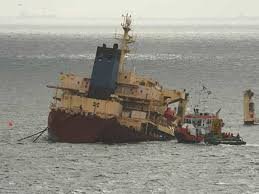
Intervention Protocols
Salvage operations are divided into three main phases. First, an emergency assessment is carried out, which includes analyzing the stability of the damaged vessel and identifying environmental risks. Next, stabilization techniques are applied, which may include the use of pumping systems to control flooding or the installation of emergency patches to provide temporary containment. Finally, refloating operations are carried out. At this stage, compressed air methods are used to generate controlled buoyancy or lifting systems using heavy-duty cranes.
Each of these phases follows standardized operating procedures. This ensures both the safety of personnel and the effectiveness of the maneuvers. Even so, each procedure is continuously adjusted to the specific characteristics of the emergency, allowing a high level of technical precision to be maintained.
Specialized Equipment
Modern maritime rescue requires highly specialized equipment. This includes pumping systems with capacities of up to 5,000 m³ per hour, emergency patches up to 10 meters in diameter, and floating cranes capable of lifting up to 2,000 tons. Satellite and VHF communication equipment also allows all actions to be coordinated in real time.
To ensure operational availability at all times, this equipment must undergo constant preventive maintenance. This allows rescue teams to be mobilized immediately to any location where urgent intervention is required. In this way, the most demanding international standards for maritime operations are met.