Regulations and Technology
Underwater non-destructive testing (NDT — Non-Destructive Testing) is an essential tool for ensuring the safety, operability, and durability of docks, piles, breakwaters, and other port infrastructure. In the Peruvian context, the adoption of inspection procedures aligned with the regulations of the General Directorate of Port Authorities and Coast Guard (DICAPI)—in particular the Resolution/Port Authority linked to the file known as “DICAPI 195”—not only ensures legal compliance, but also reduces risks, avoids costs due to failures, and extends the useful life of structures.
- Why is underwater NDT inspection critical in ports?
Port structures are exposed to aggressive conditions: saltwater corrosion, biofouling, bed erosion, impact from maritime traffic, and fatigue from cyclic loads. Many of these threats begin below the waterline—where superficial visual inspection cannot reach—so early detection by underwater NDT prevents major failures and allows for predictive maintenance planning rather than reactive repairs, which are often much more costly and disruptive.
- What does DICAPI require, and why does DICAPI 195 matter?
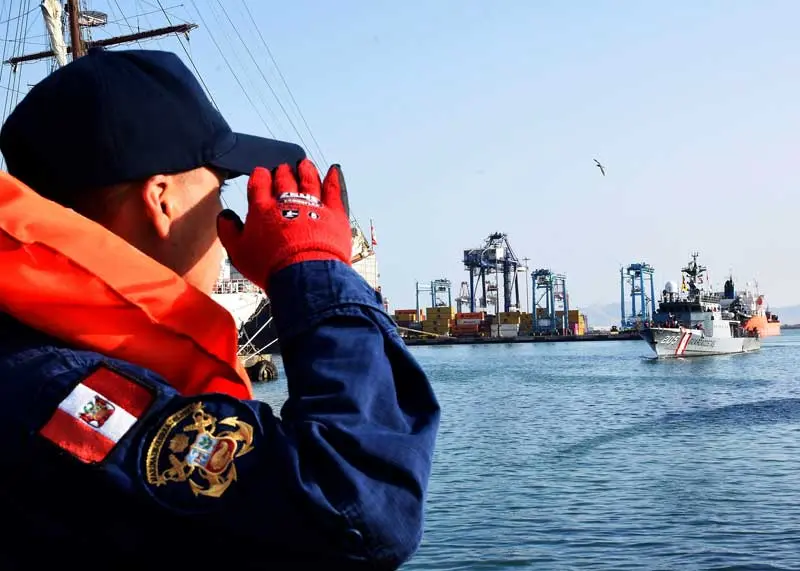
DICAPI regulates activities and procedures related to maritime safety, inspections, and professional diving operations in Peruvian waters. Resolutions and directives issued by the entity establish requirements on how underwater inspections, dive logs, diver certification, and technical criteria for the authorization of aquatic area use should be planned and executed. “DICAPI 195” (Harbor Master's Resolution No. 195-2025 MGP/DICAPI/IO) has been used as a reference in recent procedures and authorizations, so port operators and inspection companies must be aware of it and adapt their protocols to comply with it.