
The inspection and maintenance of hydraulic infrastructure such as dams and submerged pipelines requires precision, safety, and operational continuity. Traditionally, these tasks have been performed by commercial divers; however, the advancement of underwater robotics, especially with Remotely Operated Vehicles (ROVs), has transformed how work is carried out in difficult-to-access or high-risk environments. This article analyzes the advantages, limitations, and criteria for deciding when an ROV is indispensable compared to human intervention.
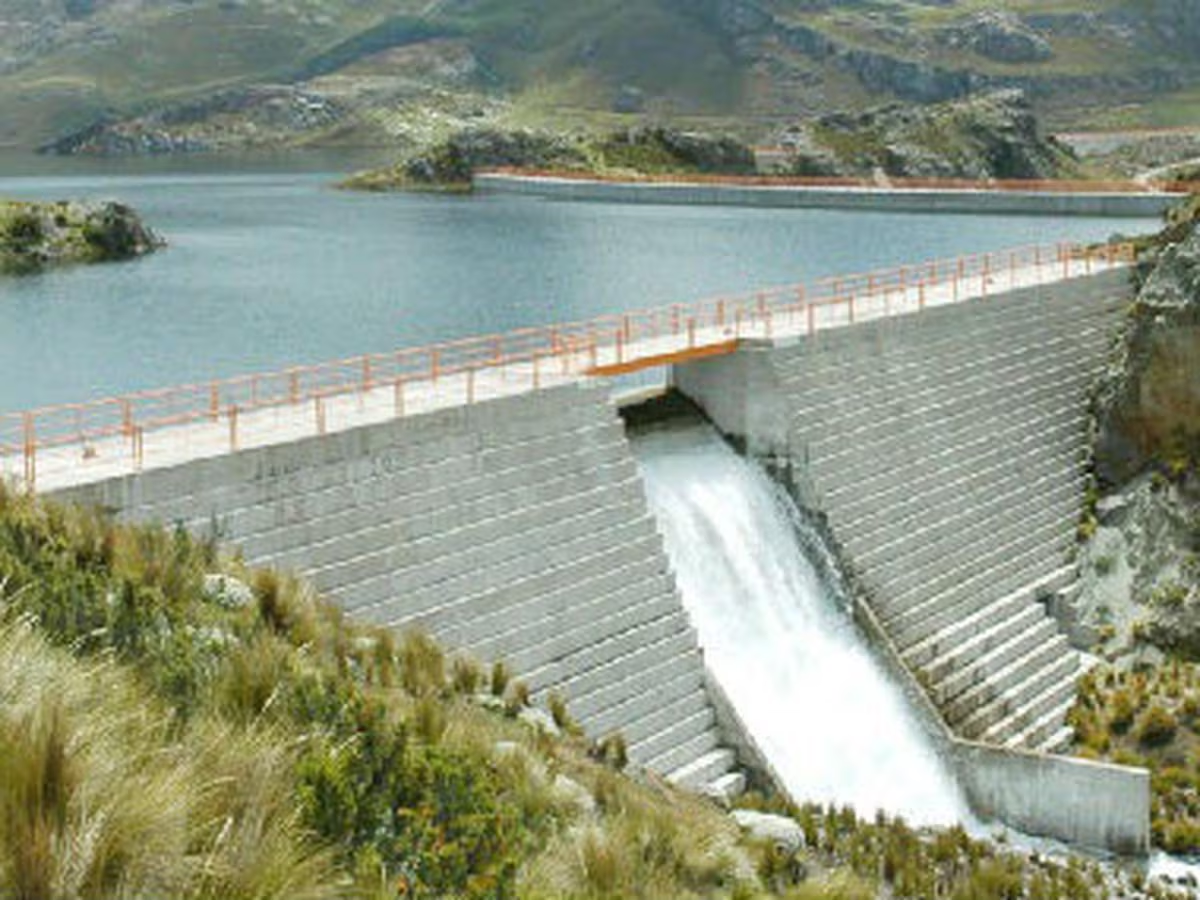
Dams, reservoirs, and underwater conveyance systems present extreme conditions:
- High hydrostatic pressures in deep zones.
- Currents and low visibility complicate the diver's orientation.
- Presence of sediments, corrosion and cracks that threaten structural integrity.
- Operating time restrictions, since the closure of gates or lines affects energy production or water supply.
Given these factors, inspections must be quick, safe, and provide reliable information to plan corrective interventions without endangering human lives or halting critical operations.
Remotely operated vehicles (ROVs) are robotic platforms controlled from the surface, equipped with cameras, sensors, and manipulator arms. Their use has spread rapidly in dams, hydroelectric power plants, water treatment plants, and underwater pipelines.
Key advantages:
- Total safety: they eliminate human risk in hazardous, contaminated or deep environments.
- Continuous operation: they can work for hours without interruption or risk of decompression.
- High precision and digital recording: HD cameras, sonar, ultrasonic sensors and 3D scanners generate traceable and quantifiable reports.
- Access to confined spaces: mini ROVs can enter small diameter pipes or hard-to-reach galleries.
- NDT compatibility: They allow the application of non-destructive techniques (UT, CP, remote visual inspection, potential measurement, etc.) with minimal disturbance to the environment.
The choice between ROVs and commercial divers is not mutually exclusive, but strategic. ROVs are indispensable when human risk or physical conditions exceed the limits of safety and efficiency. buzosFor their part, they remain essential in manual repair and tactile evaluation. Adopting an integrated and standardized strategy (aligned with the guidelines of DICAPI or equivalent bodies) allows for maximizing results, reducing costs, and extending the lifespan of critical infrastructure such as dams and pipeline systems. Underwater robotics does not replace the diver: it enhances and protects them, and leads maintenance engineering toward a safer, more precise, and more sustainable future.